



The introduction of iOS 14.5 has fundamentally changed the digital marketing component and is significantly helping to change the way companies monitor user behavior. Since Apple introduced the Tracking Transparency (ATT) app, companies must adapt their tracking policies to the stricter data protection rules. These changes have called into question traditional approaches to tracking, such as cookies and fingerprints, particularly in countries where the GDPR is in place.
Important questions about iOS 14.5 and ad blockers
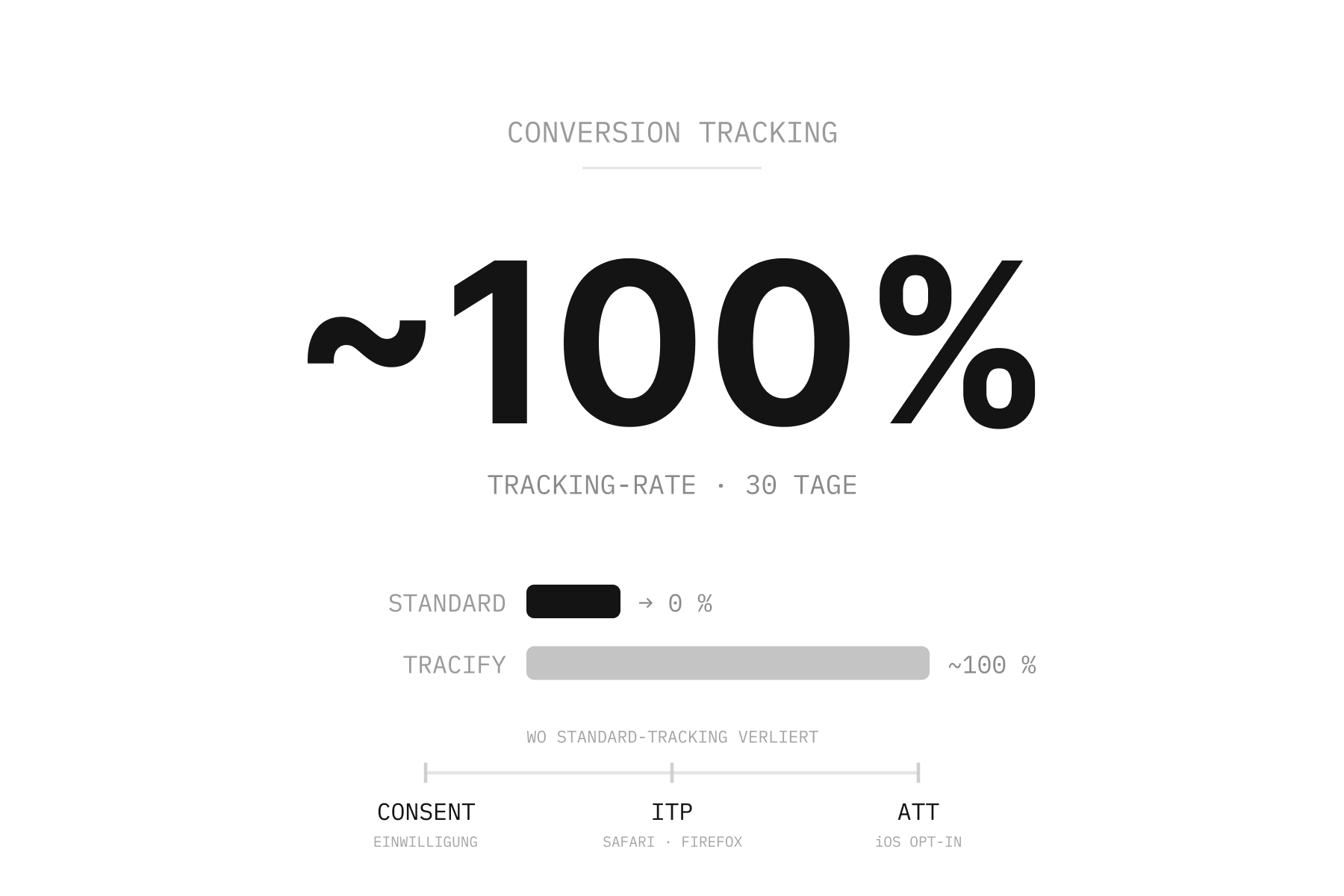
- The impact of app tracking visibility (ATT) This aspect requires a user to agree and the applications can then monitor their activity on other apps and websites as well. Between options to disagree and participate in this tracking, many users won't, and as a result, companies will have less data that they can analyze, associate, and target.
- What is the rise of ad blockers and what does it mean? Ad blockers block tracking scripts and cookies from loading; this limits the ability to generate useful user data. The popularity of ad blockers is a major challenge for marketers as customer awareness of data protection is increasing more and more.
- Tracking restrictions and privacy updates in browsers Browser updates, such as in Google Chrome and Mozilla Firefox, have restricted and blocked cookies and other trackers. The traditional approach to a privacy-friendly web makes such approaches increasingly ineffective.
Practical strategies and tools for GDPR-compliant tracking To navigate this dynamic situation, marketers must have tools and techniques that provide truly actionable data and are fully compliant with data protection laws such as the GDPR. The following strategies offer reliable solutions to the problems mentioned above and can be used taking into account the protection of your privacy:
- Server-side tracking to ensure compliance Server-side tracking, as the name suggests, collects the user's data on the server, not on the client, thus avoiding restrictions. It provides an unbiased, legally compliant interface for data collection and enables long-lasting observations in restricted tracking environments.
- An alternative to cookies that stores data Such technologies that are used as an alternative to cookies include ETags, local storage, which can also be used to store persistent data but are GDPR compliant. Such mechanisms can be used to ensure user recognition across multiple sessions without violating data protection laws.
- The use of consent management platforms (CMPs) CMPs help companies manage and obtain user consent in a clear and scalable way. They also ensure that they are compliant across all platforms and gain user trust by giving them the option to set their data preferences in advance.
- Investigation of privacy-friendly fingerprinting techniques Although often disputed, some fingerprint recognition approaches do not store any personal information and use deanonymized signals. The methods attempt to recognize the user to a certain extent without violating privacy.
- Improved strategies through AI-powered analysis Because anonymized or aggregated data can run through AI to uncover behavioral patterns and provide predictive information, marketers can optimize their campaigns without breaking the law.
The tracking post-iOS 14.5 use cases
- Maximize e-commerce sites with iOS 14 conversion tracking Monitor conversion on the server side to optimize ad spending and increase ROI. By looking at the customer journey, more efficient campaign optimization can be achieved.
- Improving social media advertising with iOS 14 Facebook tracking Enforced privacy-controlled Facebook tracking to measure campaign success and audience engagement. Apply AI to identify performance-oriented audiences and tailor content.
- Improve product management with iOS app analytics tracking Use analytics to monitor app user interactions. Apply the insights to developing features, reducing anxiety, and accelerating customer engagement.
- Improving retargeting with iOS 14 ad tracking Re-engage consumers who already had content with your brand through contextual retargeting. Compliance with data protection also guarantees relevance to user preferences.
How Bedrop profitably increases ad spending tenfold with Tracify
Bedrop is a D2C company that offers bee-based supplements and skin and beauty products. The company suffered from acute tracking and attribution problems following iOS 14.5. The lack of quality data led to inefficient budgeting and channel blindness.
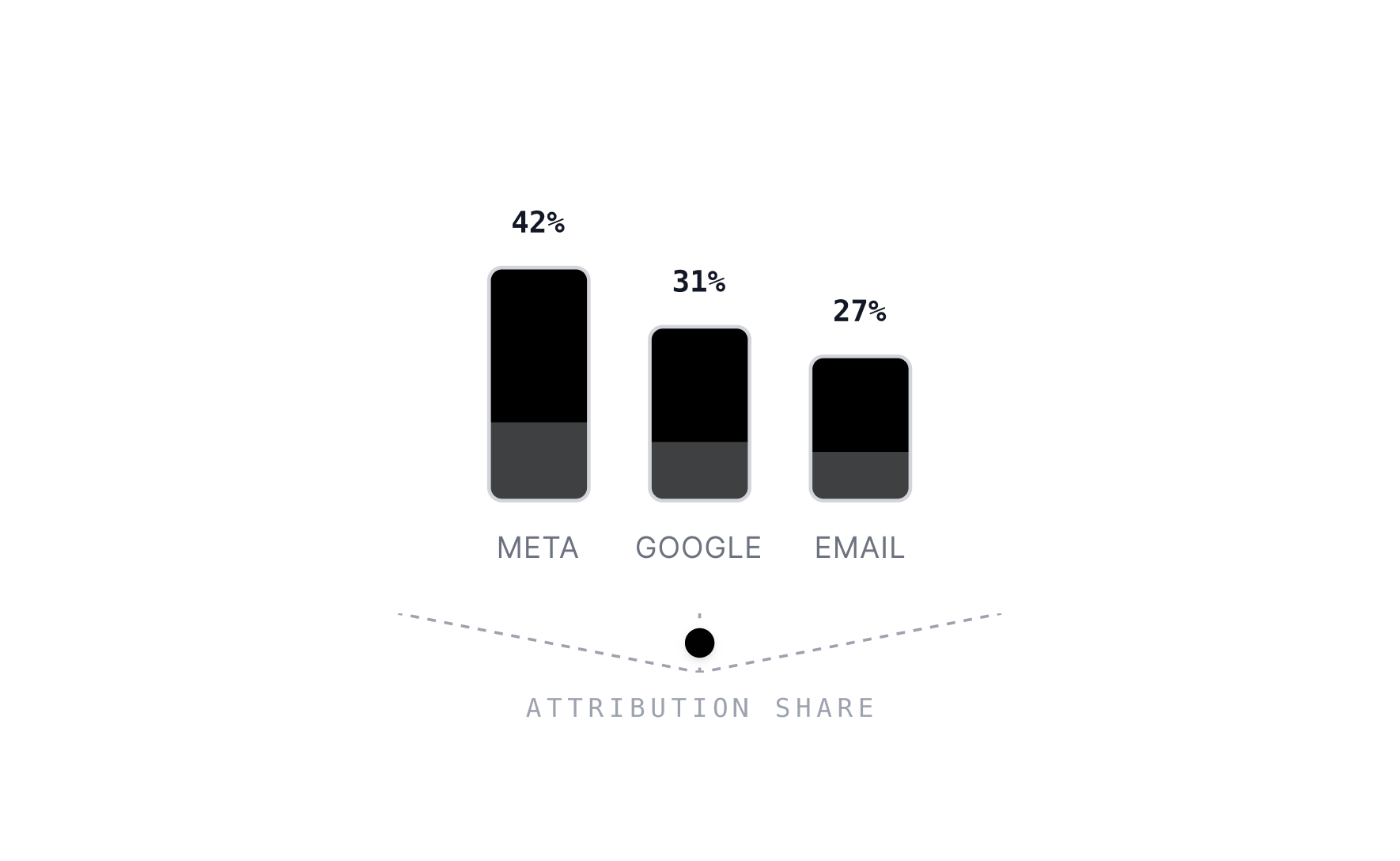
By integrating Tracify, Bedrop was able to provide real-time insights into multiple channels. Tracify's patented technology was able to accurately display information about every click, while powerful yet easy-to-use dashboards provided actionable insights about the customer journey. A browser plug-in also made the data collected from a campaign immediately usable in advertising platforms.
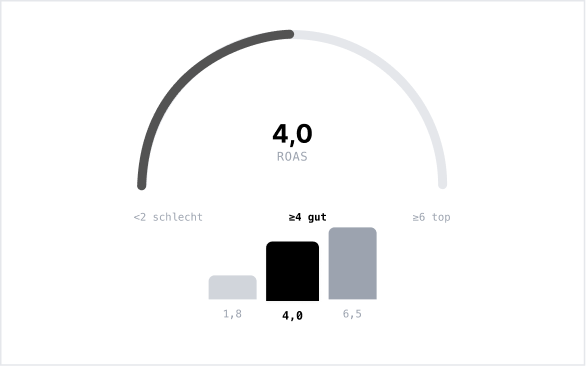
This greater clarity enabled more reasonable budget allocations and versatile management of attribution windows. In this way, Bedrop was able to increase advertising spending up to 300K+ ROAS per month without the company making a loss as it was able to identify the highly effective campaigns and increase them.
Experience future-proof tracking with Tracify
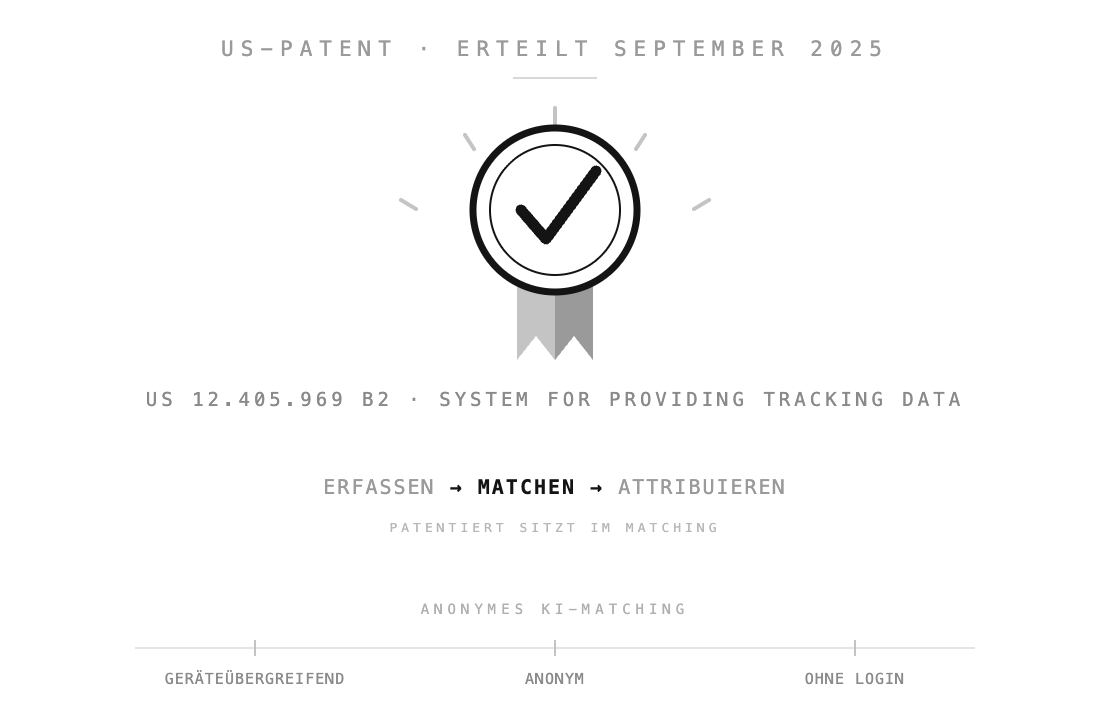
The additional costs of switching to privacy-compliant tracking include a well-played place to gain trust and perform better, because it's not just about the requirements of the law. Tracify is a future-proof solution based on patented multichannel tracking that bypasses the restrictions of iOS 14.5, ad blockers, and cookies.
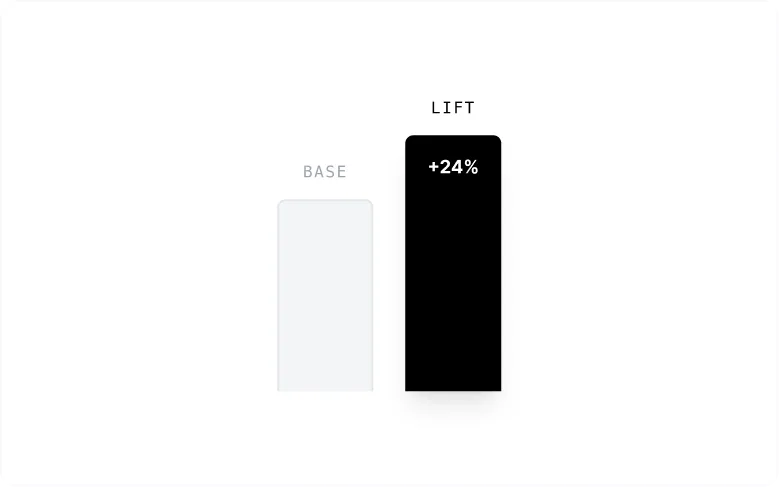
With versatile attribution models and a comprehensive dashboard, Tracify provides detailed results on customer behavior and ensures budget optimization in real time. The companies using Tracify have seen a 28 percent increase in performance.
This is likely to happen because as the digital world becomes more complex, Tracify can provide marketers with tools that can make them competitive, data-driven, and legally compliant at the same time.