



In the competitive world of e-commerce, effective budget management is critical to maximizing marketing efficiency and achieving business goals. With the variety of channels and strategies available, it can be a challenge to determine the optimal budget allocation. However, using data-driven insights can significantly improve marketing effectiveness by ensuring that resources are deployed where they make the biggest impact. In this article, you'll learn how e-commerce companies can optimize their budgets through data-driven strategies, resulting in cost and time savings and helping to avoid spending too much or too little on campaigns.
Why data-based budget planning is crucial for e-commerce success
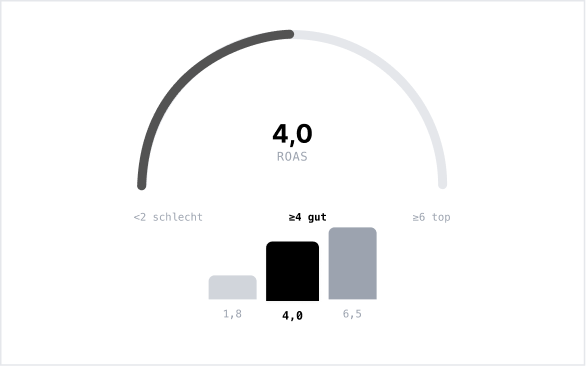
Data-driven budget allocation uses real-time insights and analytics to make financial decisions in marketing. This approach enables companies to allocate their budgets more effectively by identifying which channels, campaigns, or strategies generate the best return on investment (ROI). By understanding the performance of each marketing activity, e-commerce companies can make informed decisions about where to allocate their resources.
A key advantage of this approach is the ability to react quickly to changes in market conditions or consumer behavior. With access to real-time data, marketing experts can immediately adjust their strategies and budget allocation and ensure that resources are consistently directed towards the most promising opportunities. This flexibility is critical in the fast-moving e-commerce landscape, where consumer preferences and market dynamics can change rapidly.
How accurate data leads to significant cost and time savings
Accurate data forms the basis for effective budget optimization. By using comprehensive analytics, e-commerce companies can achieve significant cost and time savings. With accurate data, marketers can identify underperforming campaigns or channels and reallocate resources to more successful initiatives. In this way, they maximize the impact of their marketing budgets while reducing spending waste.
In addition, data-based insights streamline decision-making processes and reduce the time required for guesswork and trial and error approaches. Clear evidence of which strategies work and which don't allows marketers to focus their efforts on powerful tactics, increasing overall efficiency and productivity.
How you can avoid budget overruns and underfinancing through clever planning
Overbudgeting can result in a waste of resources, while underbudgeting can result in missed opportunities and poor quality campaign performance. Data-driven budget planning helps e-commerce companies avoid these pitfalls by providing a detailed understanding of the financial needs of each campaign.
By analyzing historical data and ongoing performance indicators, marketing experts can set realistic budgets that are aligned with their campaign goals and expected results. This ensures that each campaign is adequately financed to achieve its goals without excessive spending. Continuous monitoring and performance analysis also allow budgets to be adjusted in a timely manner and ensure that resources are always used for the most effective strategies.
Advanced strategies to further improve budget distribution
For even greater efficiency, e-commerce companies can incorporate predictive analytics into their planning. Predictive analytics uses historical data to predict future trends. This allows marketing experts to anticipate market changes and proactively adjust budgets. This predictive approach not only maximizes current campaign performance, but also prepares companies for upcoming challenges and opportunities.
Another innovative technique is that machine learning algorithms analyze huge data sets to uncover patterns that may not be obvious at first glance. Machine learning can provide insights into consumer behavior, sales channel performance, and emerging market trends, enabling more accurate and secure budget allocation decisions.
Practical implementation of data-driven budget optimization with Tracify
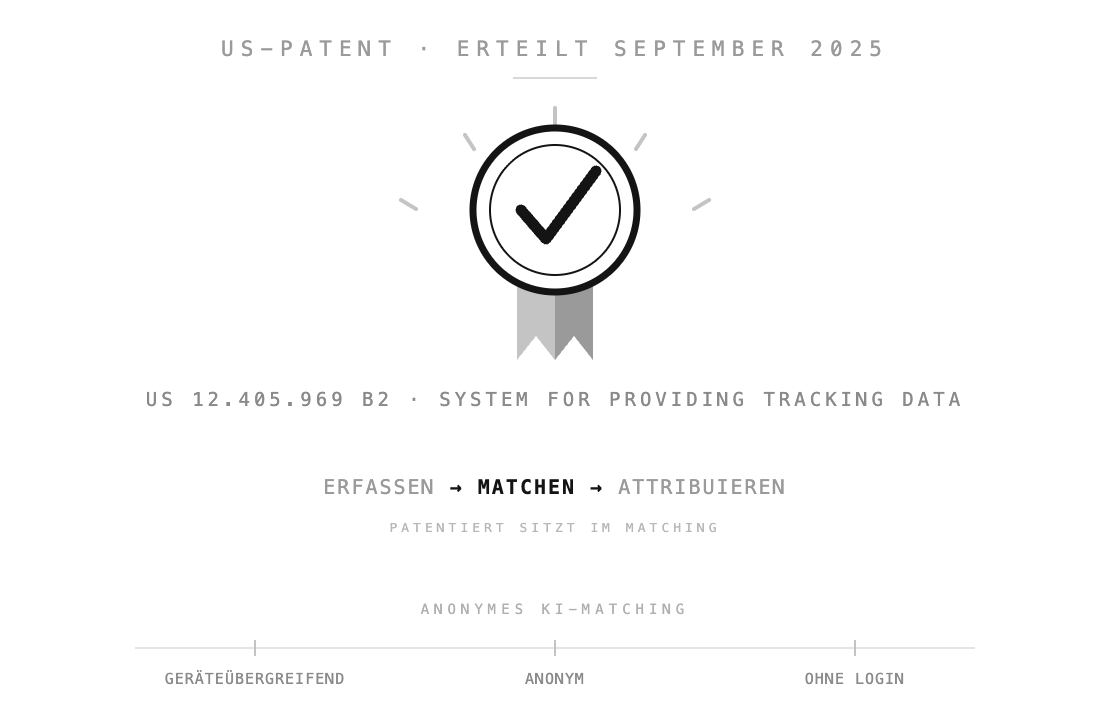
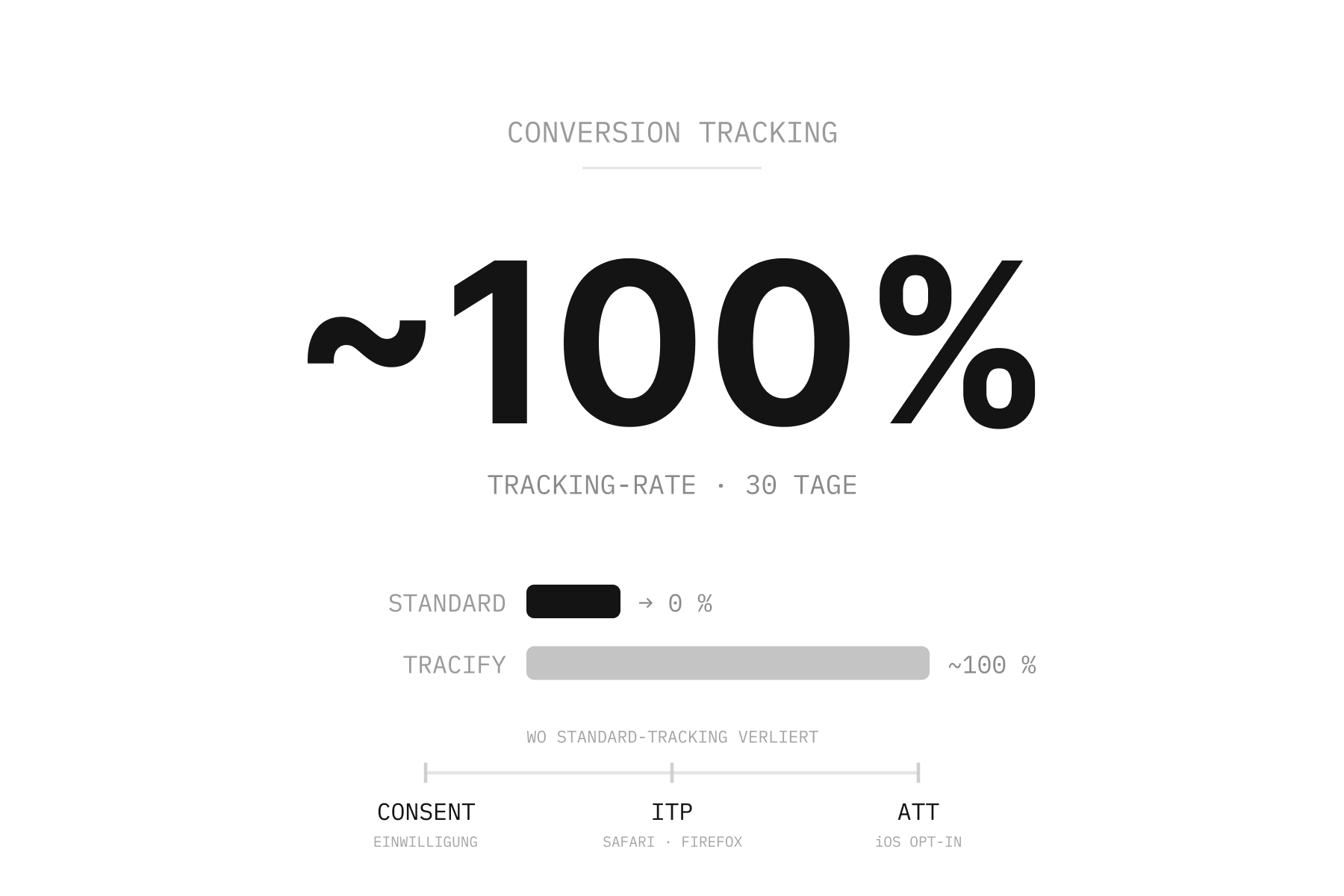
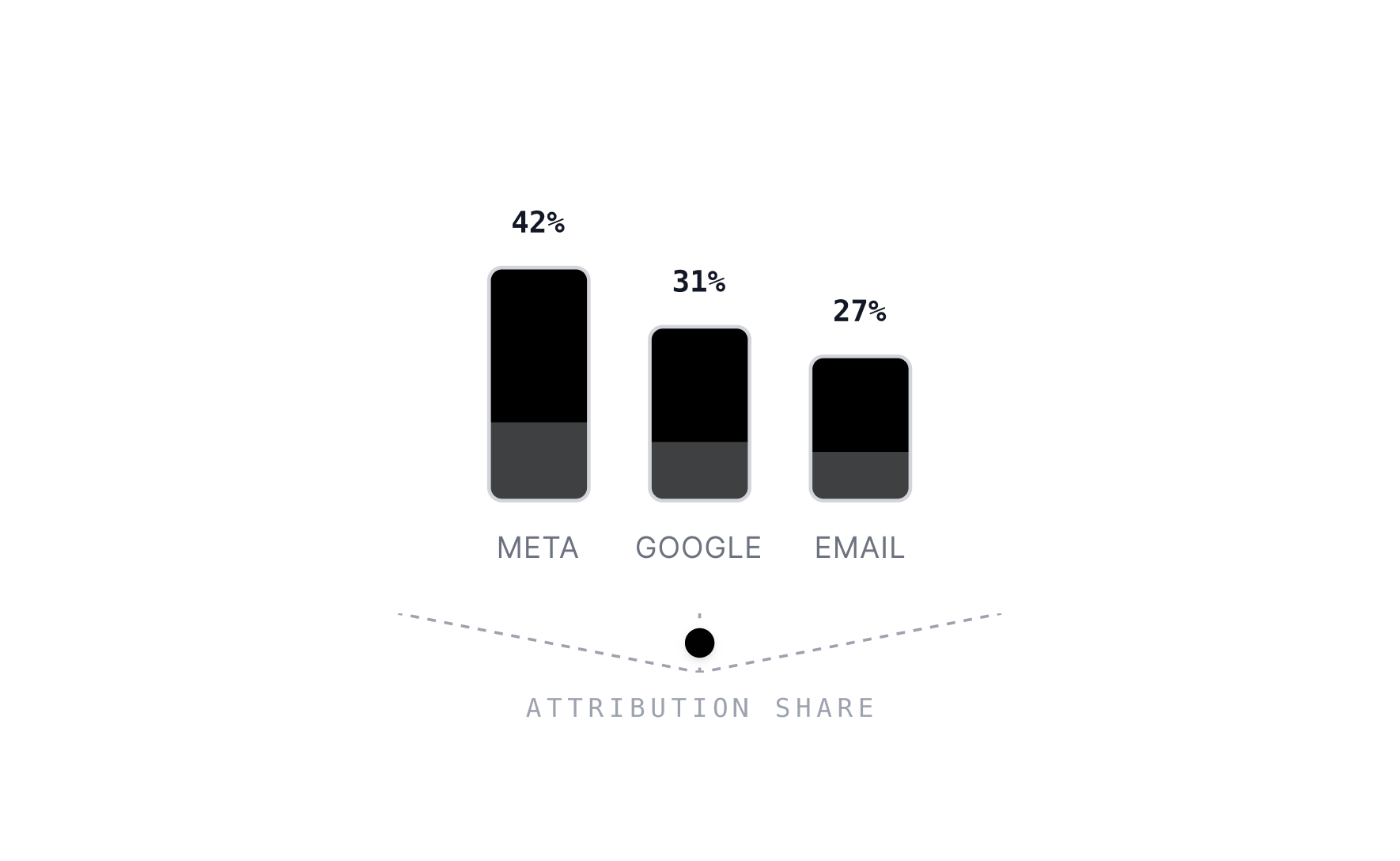
Tracify provides e-commerce companies with the necessary tools for effective data-driven budget optimization. Its advanced tracking and attribution features provide comprehensive insights into the performance of all marketing channels and campaigns, but also at a granular level to analyze adsets, ads, and advertising media. This enables companies to make informed decisions about resource allocation and thus optimize ROI and marketing efficiency.
Tracify's real-time data processing allows continuous monitoring of campaign performance and enables timely adjustments. This flexibility ensures that budgets are always aligned with the most effective strategies, reducing the risks of spending too much or too little. In addition, the easy-to-use interface and customizable dashboards make it easy for teams to access and interpret the data needed to intelligently manage budgets.
Conclusion: Maximum efficiency through data-driven budget planning in e-commerce
In the dynamic world of e-commerce, data-driven budget optimization is essential to increase marketing efficiency and ensure business success. By using accurate data and real-time insights, companies can use their resources more effectively, resulting in significant cost and time savings. Tracify enables e-commerce companies to easily implement these strategies and optimize budgets for maximum impact. Harness the power of data with Tracify and turn your marketing efforts into a highly efficient, results-oriented system.
With Tracify, companies can confidently navigate the complexities of budget allocation and ensure that every dollar spent contributes to their growth and success. By integrating advanced analytics and machine learning, Tracify not only improves current marketing strategies but also prepares companies for future challenges — an essential tool for any e-commerce marketer.