



In an increasingly data-driven marketing world, speed is decisive for competitiveness. Companies that continue to rely on manual reporting and delayed data are struggling with inefficient processes, inconsistent numbers, and slow decisions. The result: missed opportunities and falling performance.
Automated real-time data reporting creates a clear advantage here. It enables marketing and management teams to react faster to market changes and focus on strategic growth — instead of wasting time collecting data.
Marketing reports: automated, up-to-date and reliable
Automation is fundamentally changing how marketing teams work with data.
Manual reports, Excel exports and error-prone data entries are completely eliminated.
Automated reporting systems:
- unify data consistently
- significantly reduce sources of error
- save time and operational costs
This allows marketers to focus on what's important: Analysis, Interpretation, and Optimization instead of data collection.
Real-time status updates for increased productivity
In a dynamic market environment, retrospective reports are no longer sufficient.
Real-time data enables campaign performance, user behavior and budget deployment to monitor live.
That means:
- Perforating channels can be adjusted immediately
- successful measures can be scaled in a targeted manner
- Decisions are based on current, not outdated data
This ability to react is particularly crucial in phases of high dynamism — such as sales campaigns or seasonal campaigns.
Real-time data as the backbone of modern marketing
Real-time analytics enable a paradigm shift:
from reactive reporting to proactive control.
Marketing teams recognize trends, anomalies, and opportunities the moment they arise. In a landscape where user behavior is changing rapidly, real-time data is no longer a nice-to-have — but a prerequisite for relevance and efficiency.
Key benefits of automated reporting & real-time analytics
- Higher operational efficiency
- Less manual work, more time for strategy and analysis.
- More data precision
- Reduced errors through automated data collection.
- Decisions faster
- Trends and deviations are immediately visible.
- Better collaboration
- Uniform database for all stakeholders.
- Strategic flexibility
- Campaigns can be optimized iteratively and quickly.
- Clear competitive advantage
- Identifying market movements and opportunities earlier.
Basis for an agile marketing framework
The combination of automation and real-time data creates an agile marketing setup. Teams work with current key figures, test new approaches more quickly and continuously adapt strategies to market conditions.
The result:
a responsive, learning organization with a clear focus on business goals and performance.
Effective data management as a success factor
Clean data management is no longer an option — it's a must.
Companies need scalable tools that can be seamlessly integrated into existing marketing stacks and granular, actionable reports deliver.
Onboarding is just as important as technology:
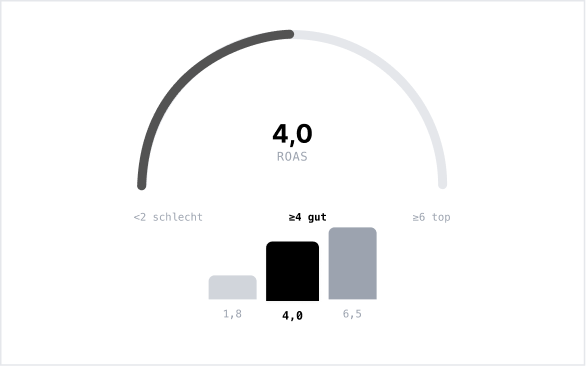
Without clear processes and trained teams, potential remains unused. A clean implementation pays off directly in better ROI and higher efficiency.
Conclusion: The future of data-driven marketing
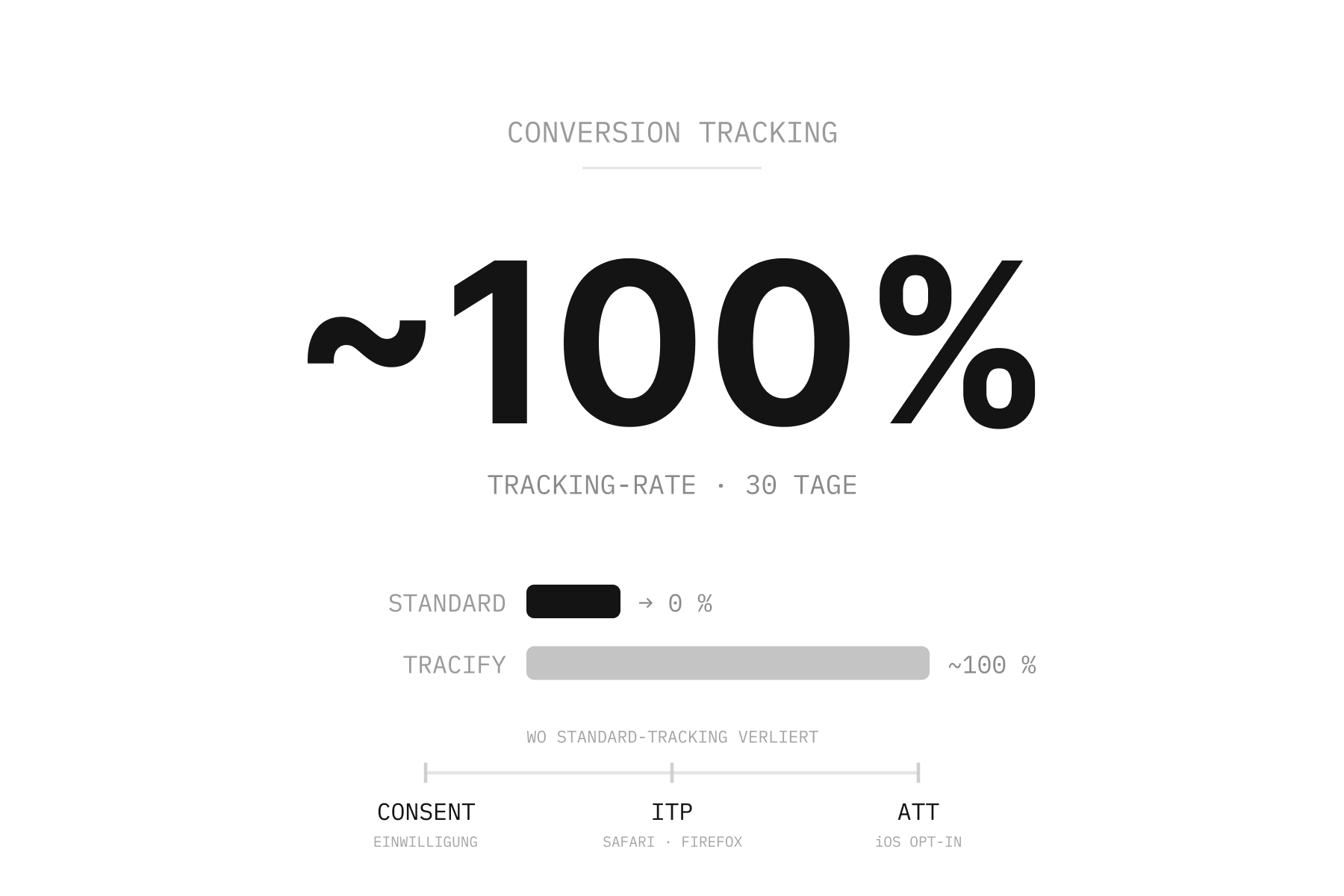
Automated reporting and real-time analytics are standard today — not a vision of the future. Modern solutions help companies overcome key challenges: data protection requirements, ad blockers, iOS restrictions and the decline of traditional cookies.
Features such as:
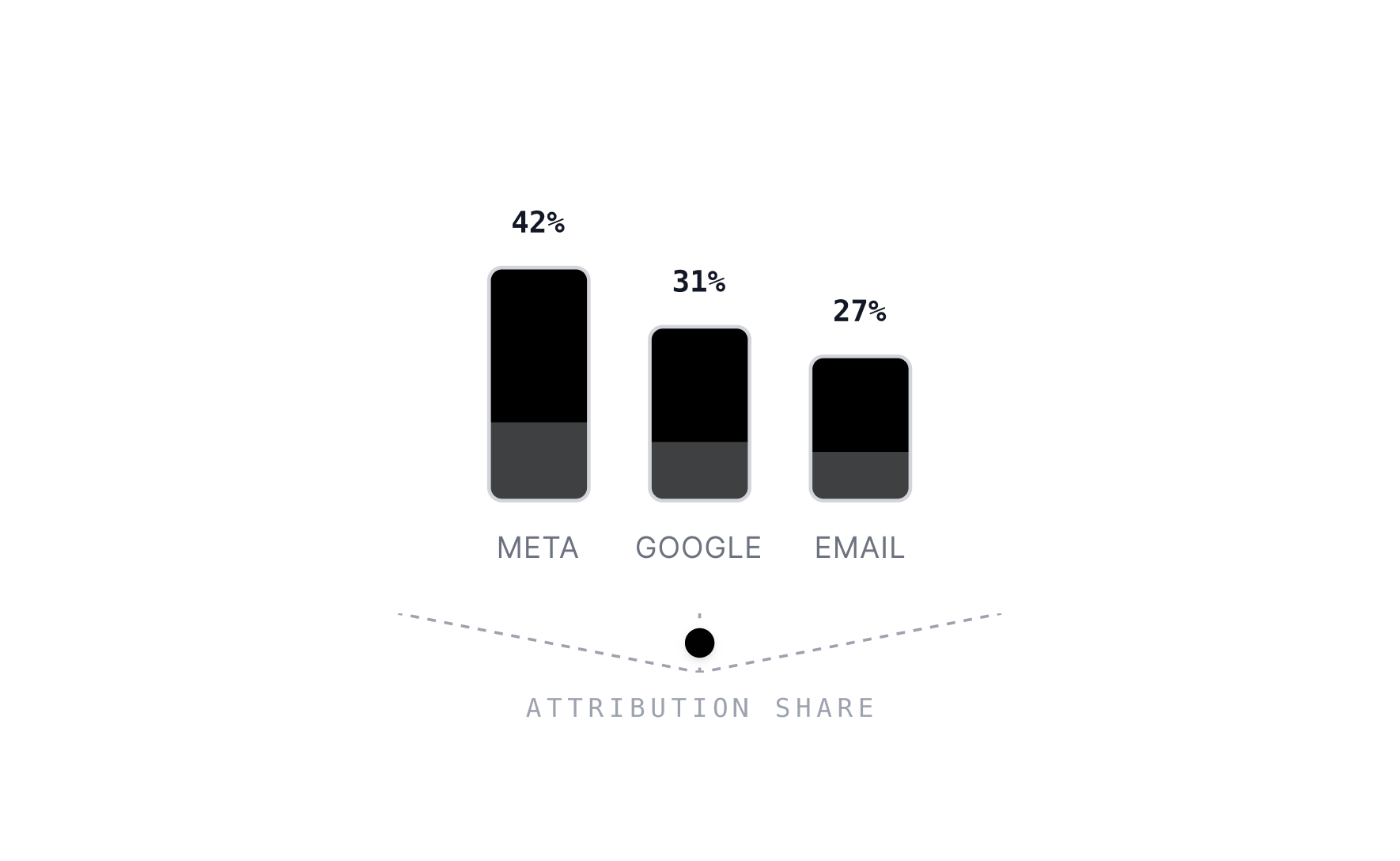
- Multi-channel tracking
- complete customer journey models
- Real time budget optimization
create the basis for better decisions and sustainable growth.
For performance marketers, it's clear:
Automated real-time reporting is no longer an optional tool — but a decisive success factor.