



If you really want your e-commerce platform to perform in search in 2025, “Basic SEO” is no longer enough. Technical excellence is a must. The digital landscape is competitive — Tech stack, performance and data quality determine visibility and revenue.
You should have these seven technical SEO levers firmly on your radar in 2025.
1. Precise keyword mapping instead of guesswork
It all starts with clean keyword research. It is not the quantity that is decisive, but the clear allocation of search intentions to specific pages.
Best practices:
- Separation of transactional and informational keywords
- Clear attribution to product, category and content pages
- Avoiding keyword cannibalization
- Integration with URLs, meta data, content, and structured data
Tools such as Google Keyword Planner or SEMrush help — but strategic allocation remains crucial.
2. Clean content & page architecture
SEO performance is not achieved through generic product texts.
In 2025, shops will win with clearly structured content architecture.
Important components:
- Unique, high-quality product descriptions
- Detailed category pages with added value
- Buyer's guide, FAQs, and comparison content
- Use of structured data (FAQ, Q&A scheme)
Good content improves rankings, lowers bounce rates, and strengthens authority.
3. Mobile-first as a standard, not as an option
Google indexes mobile versions first — Mobile-First is set.
That's what matters:
- Responsive design
- Clear touch elements & navigation
- Mobile charging times under 2 seconds
- Consistent testing on real devices
If you neglect mobile UX, you lose rankings and conversions.
4. Optimize performance & page speed without compromise
Slow pages cost visibility and revenue.
Technical SEO stands or falls with loading time.
Key measures:
- Compress images (WebP, AVIF)
- Lazy loading for images & assets
- Minimize render-blocking CSS/JS
- Use browser caching & HTTP/2
- Use critical CSS
- Monitor and reduce TTFB
- CDN for global delivery
- Strictly limit third-party scripts
- Choose high-performance hosting
Performance isn't a nice-to-have — it's a ranking factor.
5. HTTPS everywhere — without exceptions
Security is not negotiable in 2025.
Key points:
- Site wide HTTPS
- Current SSL certificate
- No mixed content errors
- Secure delivery of all assets
HTTPS is a ranking signal, a trust factor and a requirement for e-commerce.
6. Think UX & technical SEO together
Technical SEO isn't just for bots—it's for users.
Optimization fields:
- Clear navigation & category structure
- Clean internal linking
- Comprehensible CTAs
- Smooth checkout
- Using schema markup (product, review, breadcrumb)
A good UX improves crawlability, dwell time, and conversion rate.
7. Authority through high-quality backlinks
Technical basis alone is not enough — Authority remains a core factor.
Focus on:
- Relevant, topic-related backlinks
- Digital PR & Partnerships
- Guest posts with substance
- Monitoring & devaluation of toxic links
Quality beats quantity — always.
Don't forget performance tracking & analytics
SEO optimization without clean tracking is flying blind.
Monitor continuously:
- Organic traffic
- Rankings
- Conversions & revenue
- Bounce rates
- Supported sales through SEO
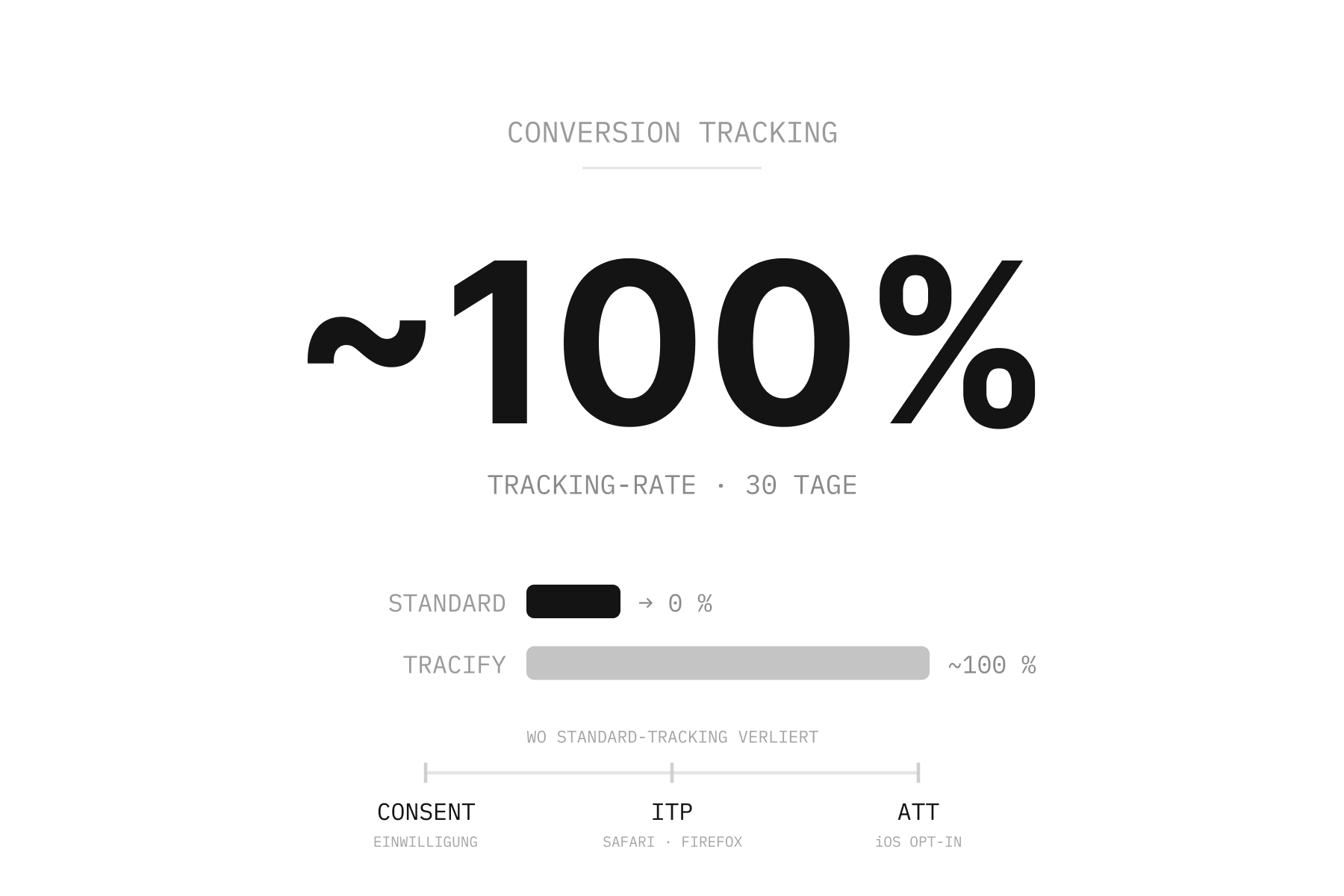
Setups such as GA4, server-side tracking, or Tracify enable a realistic evaluation of the actual SEO impact along the customer journey.
Make SEO success measurable with Tracify
SEO is only valuable if its impact on sales and growth is measurable.
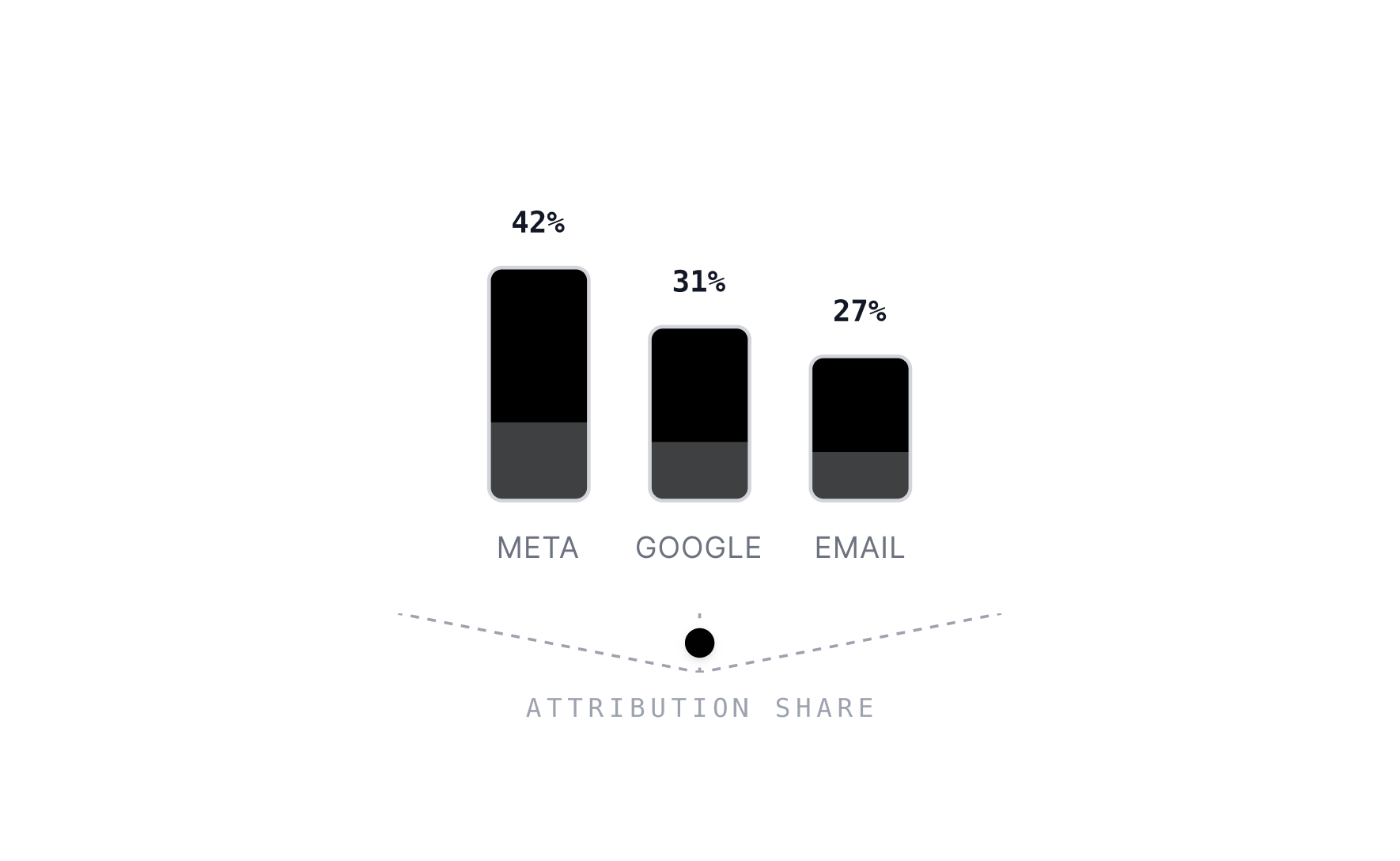
Tracify delivers exactly this transparency — with robust multi-channel tracking and advanced attribution.
Here's how you see:
- How SEO contributes to conversions
- Which touchpoints really have an effect
- How organic traffic supports other channels
The result: better budget decisions, clear priorities, and maximum SEO performance.