



E-commerce is facing fundamental change. Data protection, new technologies, and rising customer expectations are changing how brands grow, market, and scale. Companies that adapt early on secure clear competitive advantages.
Central requirements for modern e-commerce strategies are:
- Collection of customer data via first-party sourcesto reduce reliance on third-party signals
- Anonymization and pseudonymizationto minimize risks in the event of data leaks
- Granular consent management, which creates transparency and control for users
- Cross-channel, GDPR-compliant tracking without the use of legally critical technologies
These measures not only ensure compliance, but also strengthen consumer confidence. Brands with transparent and responsible data practices build long-term customer relationships.
Current trends in e-commerce
Immersive shopping experiences with AR & VR
A particularly dynamic trend is the use of Augmented Reality (AR) and Virtual Reality (VR). These technologies enable customers to virtually experience products — such as placing furniture in their own homes or testing products realistically. This reduces uncertainty and increases the probability of buying.
Hyper-personalization through AI
Thanks to advances in data analysis and machine learning, wins Hyper-personalization continues to be important. E-commerce platforms can individually display product recommendations, content and offers. This not only increases customer satisfaction, but also has a direct effect on conversion rates and sales.
Adapting to changing customer requirements
Customers expect today seamless shopping experiences across all channels. This is driving the rise of Omnichannel retail, which merges online and offline touchpoints into a consistent customer journey — whether it's an app, website or stationary store.
At the same time, sustainability to a decisive purchase criterion. Eco-friendly packaging, optimised supply chains and a reduced CO₂ footprint are no longer a nice-to-have for many consumers, but rather expectations. Brands that credibly live up to these values promote trust and loyalty.
The growing importance of multichannel advertising
With increasing competition, a strong multichannel advertising strategy essential. Successful brands are present where their target groups are — across social media, search engines, display ads and other channels.
Multichannel advertising enables:
- higher range
- targeted communication at various touchpoints
- personalized messages for different target groups
This creates consistent campaigns that increase visibility and increase conversions.
Tracify as a success factor in e-commerce
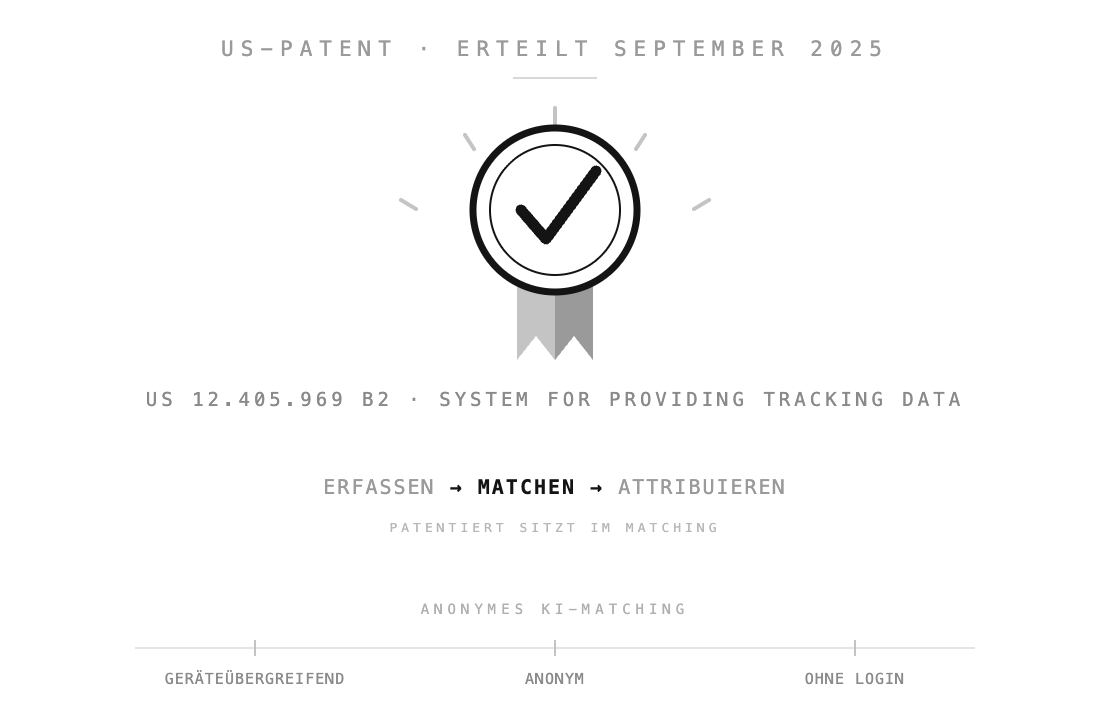
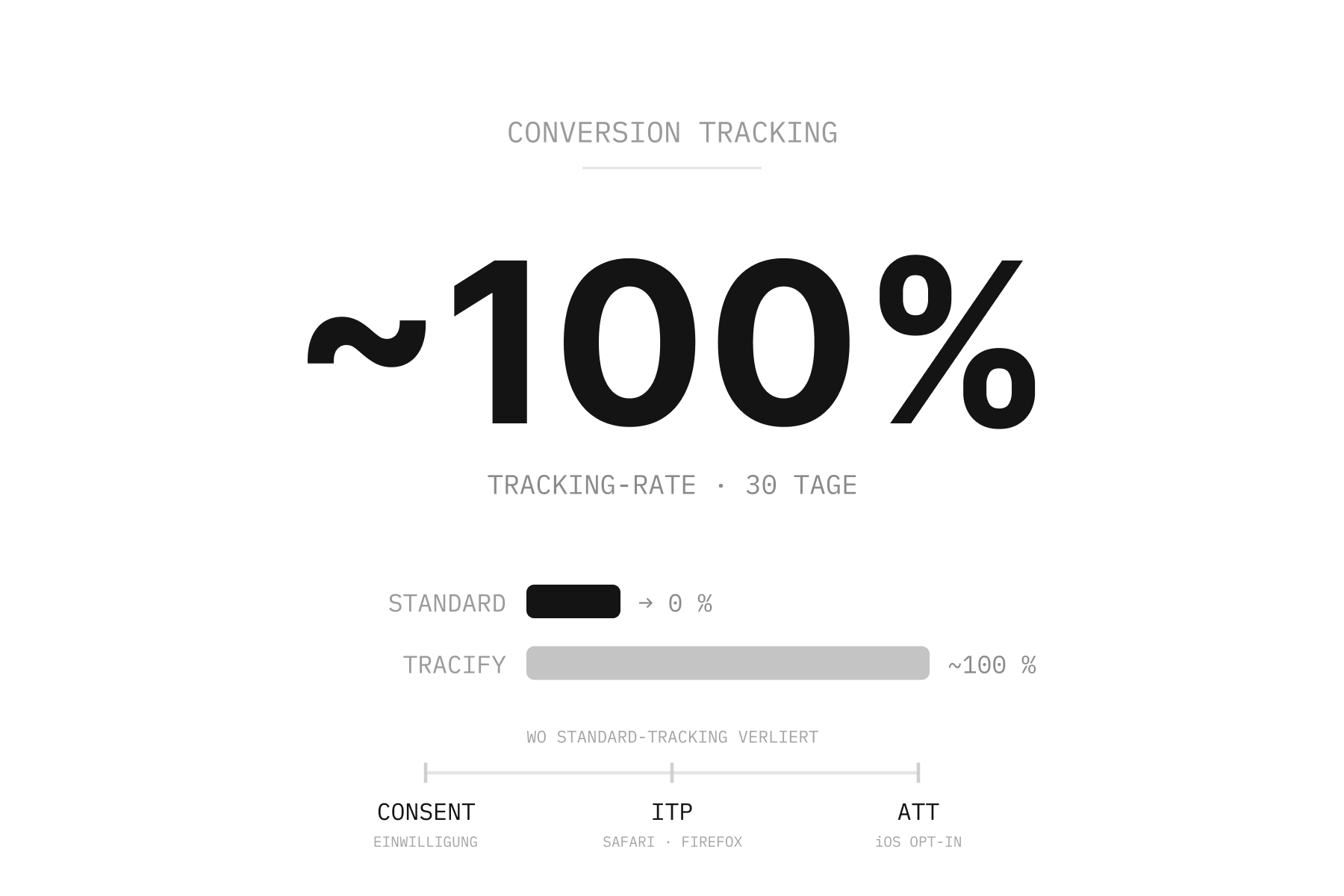
In this dynamic environment, accurate, actionable data decisively. Right here puts Tracify on. As an AI-based tracking and attribution platform, Tracify helps e-commerce brands use reliable data despite iOS 14.5, ad blockers and cookie declines.
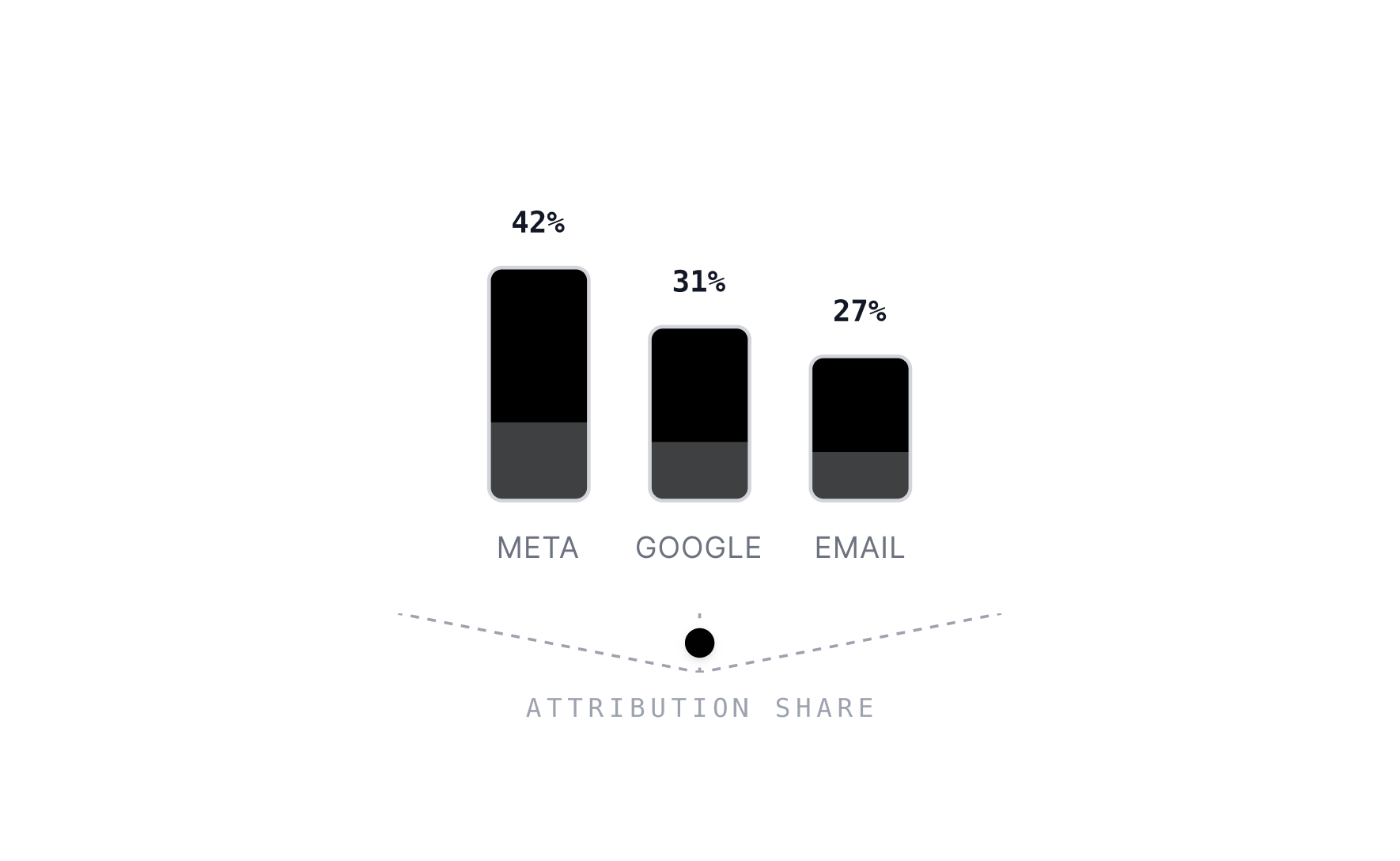
With patented multichannel tracking, flexible attribution models and a granular real-time dashboard, Tracify delivers:
- transparent customer journeys
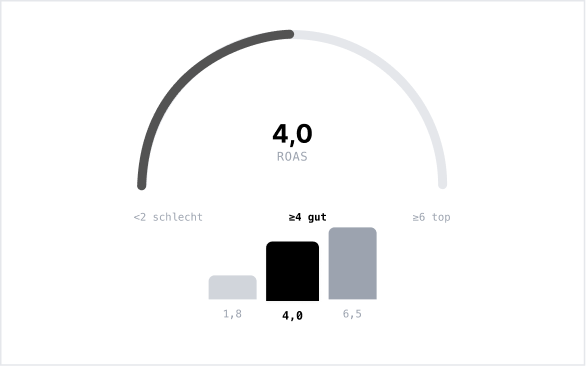
- realistic performance assessments
- better budget and scaling decisions
Through direct integration with Meta, Google and TikTok Ads Manager, this data is available right where decisions are made.
Conclusion
E-commerce 2026 is characterized by new technologies, increasing expectations and a clear focus on data protection and data quality. Brands that make early use of trends such as AR, personalization, and omnichannel experiences create compelling customer experiences and sustainable growth.
With tracking and attribution solutions from Tracify companies can use the full power of their data, make well-founded decisions and successfully position themselves in an increasingly complex market in the long term.